Package
Three-Week Ayurveda Course Curriculum in Nepal
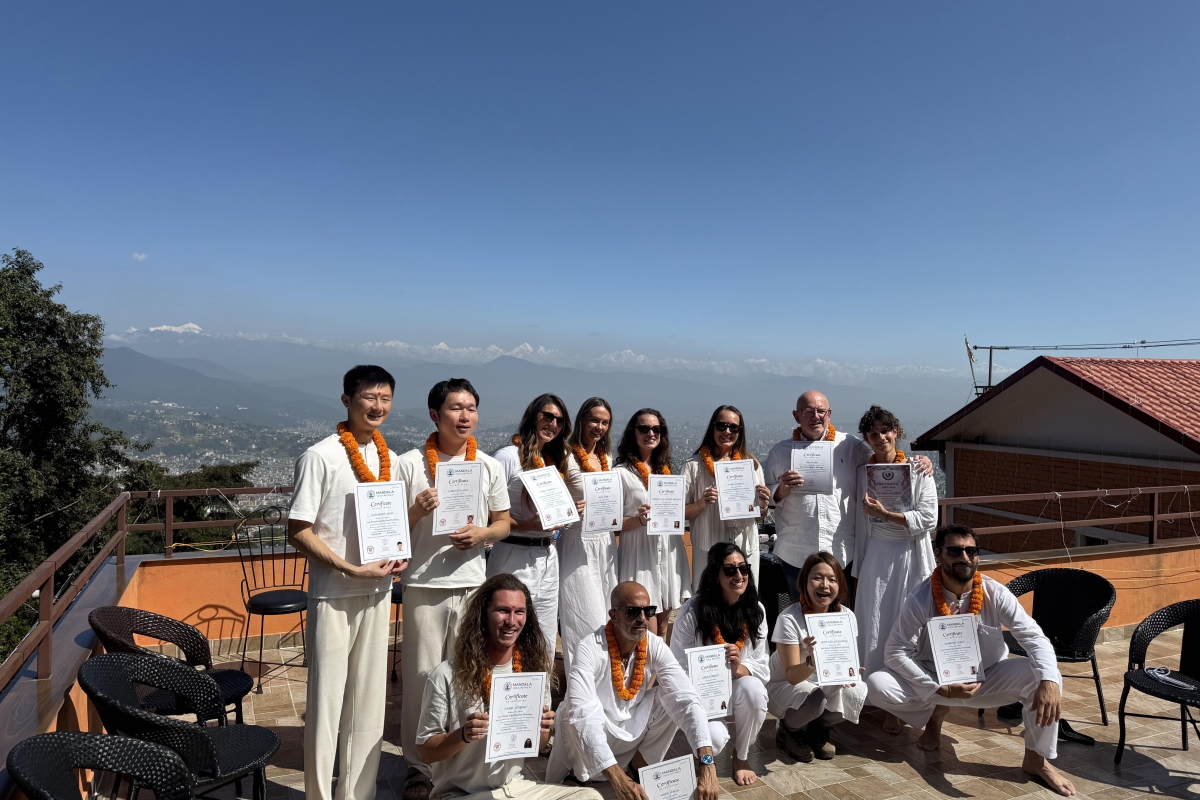
About This Package
Course Duration: 150 Hours/ 20 Days | 4 hrs Guided | 1 hr Self-Practice Daily
100 Hours: Theory Classes.
50 Hours: Field Visits, Practical Sessions & Self-Study
Course Dates: 1st -20th of every month
Accreditation: Mandala Yoga Retreat
Language: English
Group Size: Limited to 6-12 participants
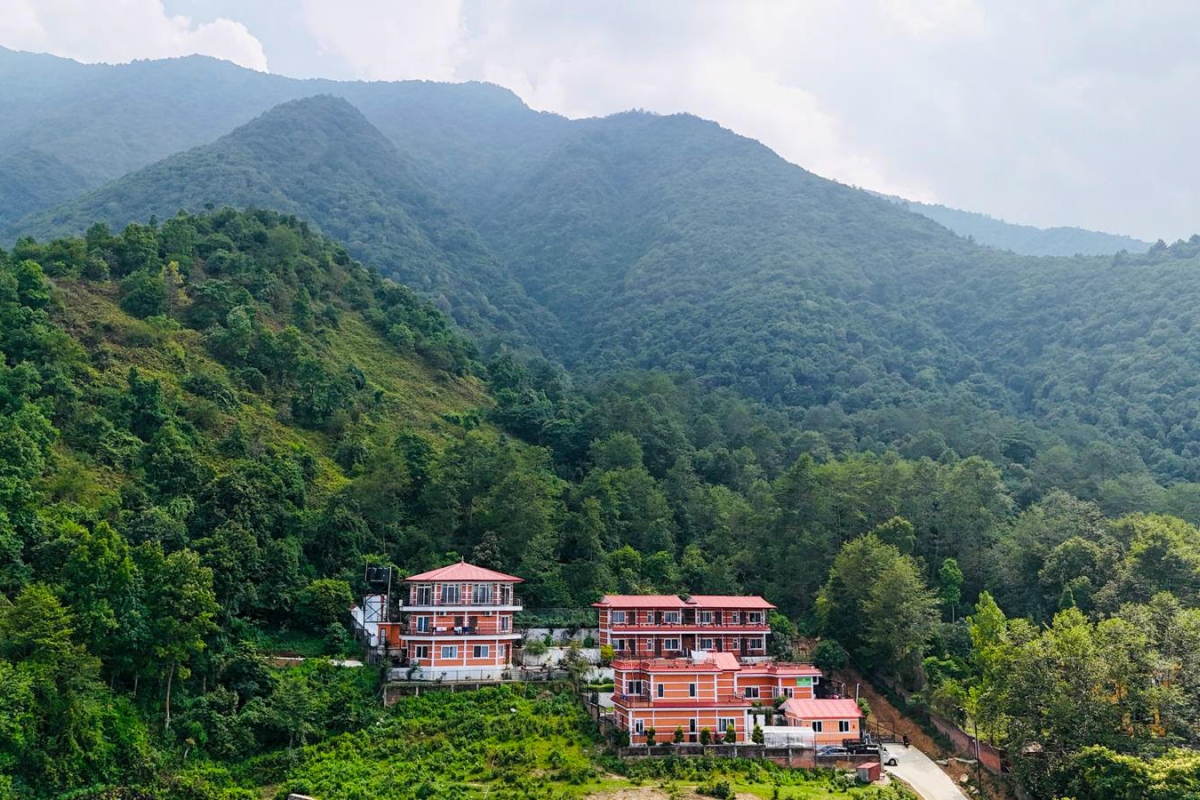
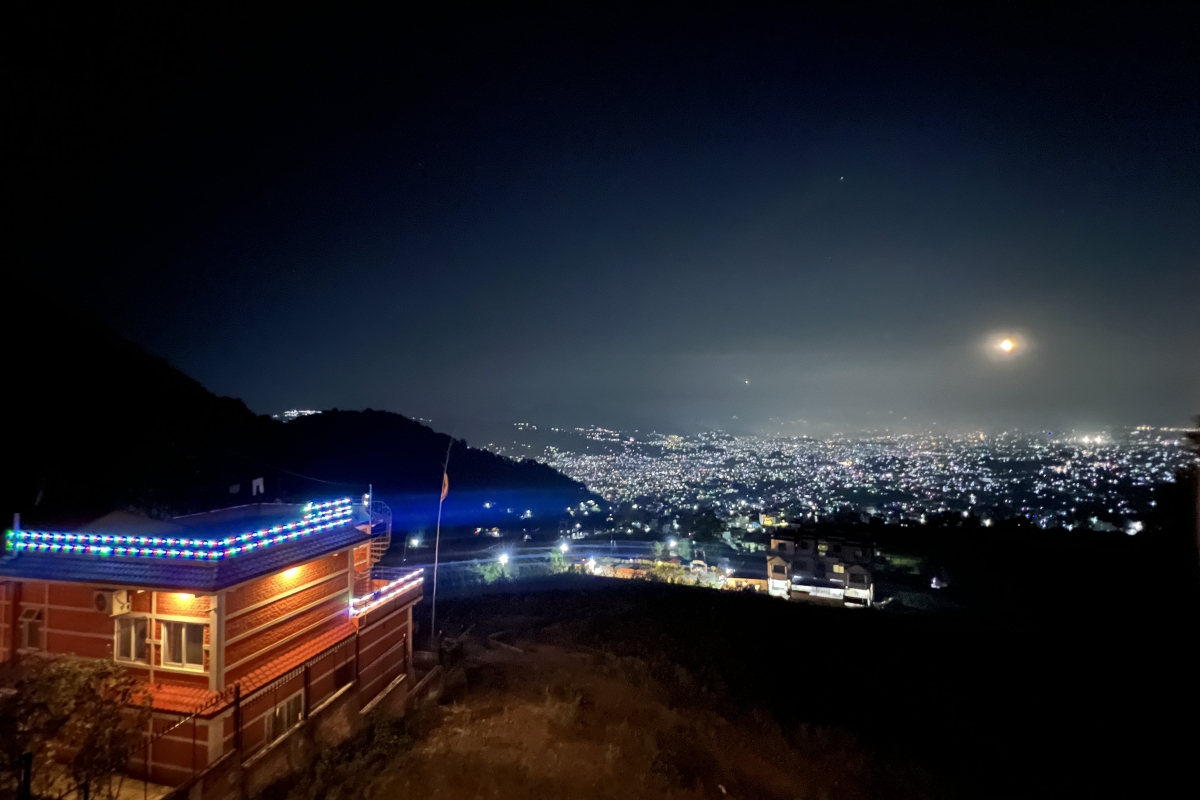
Location: Chandragiri Hill, Kathmandu, Nepal
Eligibility: This course is primarily meant for scholars / professionals having medical background or graduation in biosciences or in fields allied to medicine or Yoga practioners or Practioners of Natural Medicine.
Course Fees & Accommodation
Choose the accommodation option that best suits your needs.
|
Accommodation |
Course Fee |
|---|---|
|
Dormitory — 6 Beds |
USD 1,800 |
|
Twin Shared — 2 Beds |
USD 2,100 |
|
Private Single Bed Room |
USD 2,500 |
Accommodation Includes:
Comfortable retreat accommodation.
Attached bathroom.
Hot and cold shower.
Air conditioning/heating & cooling.
High-speed Wi-Fi.
Study Ayurveda in Nepal with Traditional Knowledge and Practical Experience
Nepal has a long and rich tradition of Ayurveda, herbal medicine, yoga, and holistic wellness. With the Himalayas, diverse natural environments, and a culture deeply influenced by both Hindu and Buddhist traditions, Nepal provides a unique setting for students who want to study Ayurveda in Nepal.
Our Ayurveda course in Nepal combines classical Ayurvedic knowledge with practical learning, cultural experiences, and an introduction to Nepal’s traditional herbal heritage. The program is designed for people who want to understand Ayurveda not only as a traditional system of medicine, but also as a holistic approach to lifestyle, health, and well-being.
Studying Ayurveda in Nepal gives students the opportunity to learn in a peaceful Himalayan environment while experiencing aspects of Nepalese culture and traditional wellness practices. Alongside classroom learning, students take part in practical sessions, demonstrations, a hospital visit, nature activities, and cultural excursions.
Why Take an Ayurveda Course With Us?
Sacred Himalayan Setting
Study Ayurveda in Nepal in a peaceful environment surrounded by nature and the Himalayan landscape. Away from the distractions of busy city life, our setting provides a comfortable atmosphere for learning, reflection, and experiencing the Ayurvedic lifestyle.
The natural surroundings also provide an opportunity to learn about Nepal’s traditional relationship with medicinal plants, herbs, food, nature, and daily wellness practices.
Learn from Experienced Ayurvedic Doctors
The course is guided by Ayurveda doctors (Vaidyas), including Dr. Nirmal and other experienced practitioners. Students are introduced to important areas of traditional Ayurveda, including Ayurvedic principles, diagnosis, pulse assessment, herbal medicine, lifestyle, and therapeutic approaches.
The program combines Ayurveda theory and practical training, helping students understand how classical Ayurvedic concepts are connected with their practical application.
Experience the Yoga and Ayurveda Lifestyle
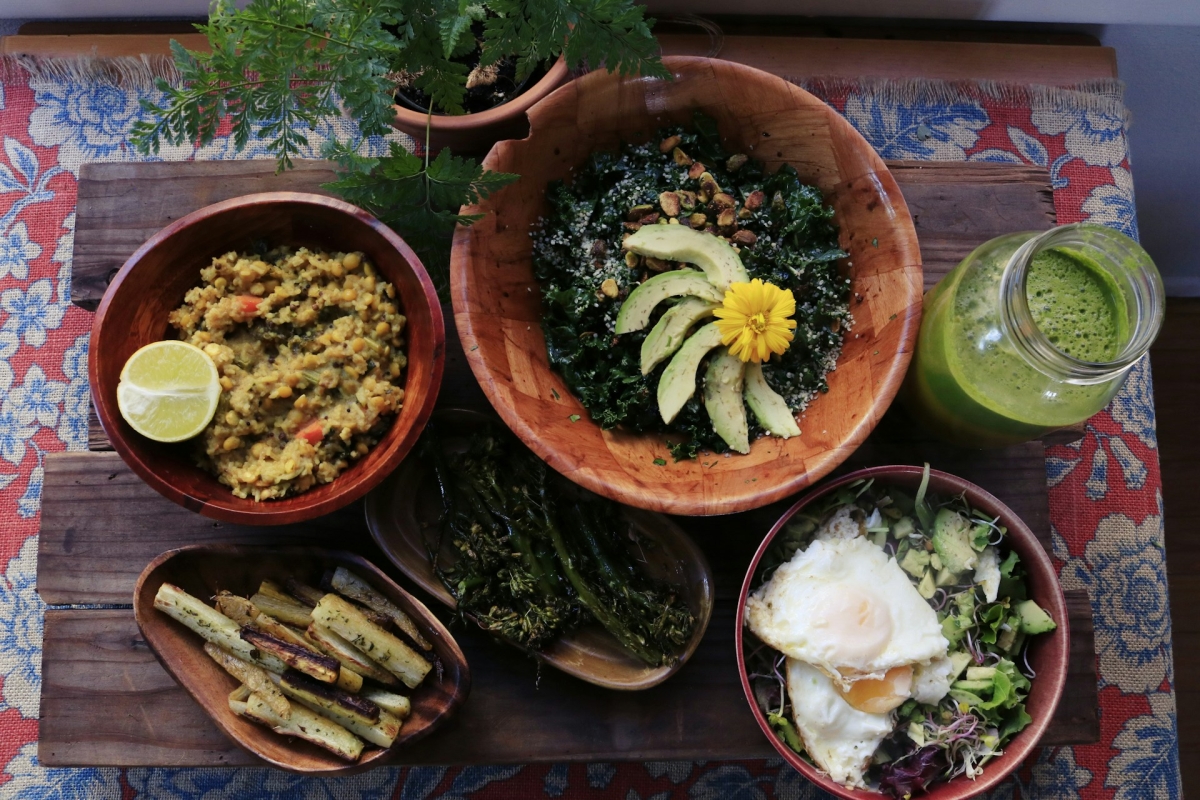
Ayurveda is closely connected with daily habits, food, movement, rest, and mental well-being. During the course, participants have the opportunity to experience elements of the Ayurveda and yoga lifestyle through yoga classes, meditation, Ayurvedic food, herbal teas, breathing practices, and other wellness activities.
These experiences help students understand how Ayurvedic principles can be incorporated into everyday life.
Explore Himalayan Herbs and Traditional Herbal Knowledge
Nepal has a diverse range of medicinal plants and traditional herbal knowledge. Depending on the course schedule and season, students may participate in herbal walks, farm visits, and nature-based learning activities.
These activities introduce students to the traditional use of herbs and plants and provide a practical connection between Ayurvedic materia medica and the natural environment of Nepal.
Hands-On Ayurvedic Training
Our Ayurveda training course in Nepal includes practical learning alongside theoretical study. Participants are introduced to areas such as pulse assessment, understanding of Dosha and Prakriti, Ayurvedic diagnosis, herbal preparations, oils, and traditional Ayurvedic therapies.
The practical component is designed to help students develop a better understanding of how Ayurvedic principles are applied in traditional practice.
Comfortable Course Experience and Cultural Activities
The three-week Ayurveda program includes accommodation, daily vegetarian meals, course materials, practical sessions, a hospital visit, hiking and nature activities, selected sightseeing, and a course completion certificate.
Participants also have time to relax and explore Nepal during the program. A guided sightseeing or hiking excursion provides an opportunity to experience the country’s natural beauty and cultural heritage.
Private airport transportation can also be arranged at an additional cost for participants who prefer a comfortable and convenient transfer to and from the airport.
Ayurveda Course Curriculum
During this three-week Ayurveda training course in Nepal, participants develop an understanding of fundamental Ayurvedic concepts and their practical application. The curriculum introduces classical Ayurveda, Ayurvedic diagnosis, herbal medicine, Panchakarma, treatment principles, and several specialized areas of Ayurvedic knowledge.
A. Introduction to Nepal and Ayurveda
-
Introduction to the history and cultural background of Ayurveda in Nepal
-
Understanding the development and practice of Ayurveda in Nepal
-
Introduction to Nepalese traditional healing and herbal knowledge
-
Understanding the relationship between Ayurveda, nature, lifestyle, and culture
B. Basic Principles of Ayurveda
-
Introduction to Ayurveda and its history
-
Present status and practice of Ayurveda
-
Introduction to major Ayurvedic Samhitas and their importance and application in the present era
-
Importance of ethics and principles of ideal living
-
Ayurvedic approaches to lifestyle and lifestyle-related disorders
-
Understanding Ayu and its components
-
Importance and application of Tri-Skandha
-
Introduction to Ashtanga Ayurveda
-
Applied understanding of Dosha, Dhatu, Upadhatu, Mala, Agni, Panchamahabhuta, Triguna, Trayopastambha, Ama, and Vega
-
Importance of understanding Sharira and Manas Prakriti
-
Introduction to Ayurvedic methods of examination and assessment
-
Concept of Sharira in Ayurveda
-
Introduction to Marma and its significance
C. Fundamentals of Materia Medica and Ayurvedic Pharmaceutics
-
Definition and understanding of Dravya
-
Applied understanding of Rasa, Guna, Virya, Vipaka, and Prabhava
-
Introduction to the principles of Bhaishajya Prayoga
-
Understanding Panchavidha Kashaya Kalpana
-
Introduction to basic Ayurvedic pharmaceutical preparations
-
Practical understanding of selected herbs and traditional formulations
D. Fundamentals of Diagnosis and Pathogenesis
-
Introduction to Panchanidana
-
Understanding Vikara and its classifications
-
Clinical application of Shatkriyakala
-
Understanding Samprapti and the development of disease according to Ayurvedic concepts
-
Introduction to the assessment of Roga Bala and Rogi Bala
-
Basic Ayurvedic clinical examination and assessment
E. Fundamentals of Ayurvedic Treatment
-
Detailed history taking according to Ayurvedic principles
-
Systematic examination and assessment of the individual
-
Principles of Kayachikitsa
-
Introduction to Ayurvedic approaches to disease management
-
Introduction to the basic principles of modern medicine
-
Overview of Homeopathy, Unani, Siddha, Tibetan Medicine, Yoga, and Naturopathy
-
Understanding the relevance and relationship of these systems with the principles of Ayurveda
F. Introduction to Panchakarma
Panchakarma is an important area of traditional Ayurvedic practice. Students are introduced to its fundamental concepts, stages, indications, and traditional applications.
Purvakarma
-
Introduction to preparatory procedures
-
Basic concepts and traditional principles of Purvakarma
Pradhana Karma
Introduction to the five principal Panchakarma procedures:
-
Vamana
-
Virechana
-
Nasya
-
Basti
-
Raktamokshana
Paschat Karma
-
Introduction to post-treatment care
-
Understanding the traditional principles of recovery and dietary and lifestyle guidance following Panchakarma
G. Rasayana and Vajikarana
Introduction to Rasayana Chikitsa, the traditional Ayurvedic approach to rejuvenation and maintaining vitality.
Students are also introduced to Vajikarana Chikitsa and its traditional concepts related to reproductive health and vitality.
H. Manovigyan and Manasa Roga
Introduction to:
-
Ayurvedic concepts of the mind
-
Manovigyan and mental well-being
-
Basic concepts of Manasa Roga
-
Traditional Ayurvedic perspectives on mental health
I. Prasuti Tantra and Stri Roga
Introduction to:
-
Prasuti Tantra
-
Stri Roga
-
Basic Ayurvedic concepts related to women's health
-
Traditional approaches to women's health and wellness
J. Ayurveda and Child Health
Introduction to the principles of Ayurvedic child healthcare, including traditional approaches to supporting children's health, growth, nutrition, and well-being.
K. Shalya Tantra – General Surgery
Introduction to the fundamentals of Shalya Tantra and selected traditional Ayurvedic procedures, including:
-
Ksharasutra
-
Agnikarma
-
Jalaukavacharana
The course provides an educational introduction to these traditional concepts and their historical and practical context.
L. Shalakya Tantra – Eye, Ear, Nose and Throat
Introduction to Shalakya Tantra, including traditional Ayurvedic approaches related to the eyes, ears, nose, throat, and head.
Topics include:
-
Etiology and basic understanding of Netra Roga
-
Swastha Vritta related to eye health
-
Introduction to Kriya Kalpa
-
Traditional Ayurvedic approaches used in Shalakya Chikitsa
-
Introduction to the role of Panchakarma in Shalakya Chikitsa
Practical Ayurveda Training in Nepal
Theory is an important part of learning Ayurveda, but practical experience helps students understand how these concepts are applied.
As part of the course, participants may take part in:
-
Practical Ayurvedic demonstrations
-
Ayurvedic assessment and observation
-
Introduction to pulse assessment
-
Herbal learning activities
-
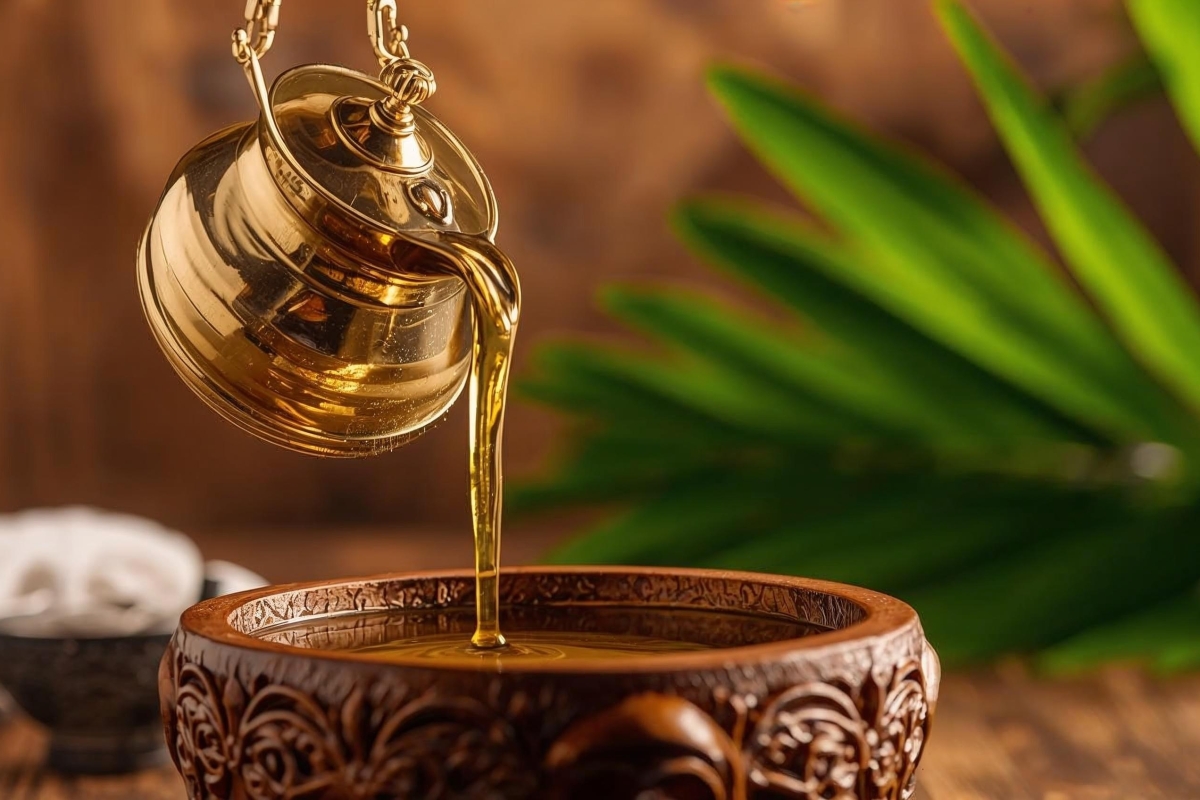
Traditional oil and herbal preparation demonstrations
-
Hospital visit for practical learning
-
Nature and herbal excursions
-
Yoga and wellness activities
-
Cultural and sightseeing experiences
The exact practical activities may vary depending on the course schedule, season, and availability.
Experience Nepal Beyond the Classroom
One of the special aspects of taking an Ayurveda course in Nepal is the opportunity to experience the country's culture and natural environment.
During the program, participants can enjoy hiking, sightseeing, nature excursions, and cultural experiences. These activities provide a chance to discover Nepal beyond the classroom and understand the close relationship between nature, lifestyle, traditional knowledge, and wellness.
Who Is This Ayurveda Course For?
This Ayurveda training course in Nepal can be suitable for:
-
Beginners who want to learn the fundamentals of Ayurveda
-
Yoga teachers and yoga practitioners
-
Wellness professionals
-
Massage and holistic therapy practitioners
-
Health and wellness enthusiasts
-
Students interested in traditional medicine
-
People interested in Ayurvedic lifestyle and nutrition
-
Individuals who want to explore Ayurveda through theory and practical experience
No previous professional Ayurveda qualification is necessarily required for an introductory learning experience; however, participants should check the specific course requirements before enrollment.
Learn Ayurveda in Nepal
Our three-week Ayurveda course in Nepal brings together traditional Ayurvedic education, practical learning, Himalayan nature, yoga, cultural experiences, and Nepalese hospitality.
From learning the fundamentals of Dosha, Prakriti, Agni, Dhatu, and Ayurvedic diagnosis to exploring herbs, Panchakarma, lifestyle, and traditional therapies, the program provides a broad introduction to Ayurveda in a Himalayan setting.
If you are looking to study Ayurveda in Nepal, gain practical exposure, experience traditional Ayurvedic knowledge, and immerse yourself in Nepalese culture and nature, this course offers an educational and memorable introduction to the world of Ayurveda.
Course Highlights
-
Three-week Ayurveda training program in Nepal
-
Traditional Ayurvedic theory and practical learning
-
Experienced Ayurveda doctors and Vaidyas
-
Practical demonstrations and hospital visit
-
Introduction to Ayurvedic diagnosis and pulse assessment
-
Herbal medicine and materia medica
-
Introduction to Panchakarma
-
Yoga and meditation opportunities
-
Vegetarian Ayurvedic meals
-
Hiking and nature excursions
-
Selected sightseeing trips
-
Course materials
-
Accommodation during the course
-
Course completion certificate
What's Included
· Ayurveda course tuition fees
· Daily vegetarian meals as per the course menu
· 1 complimentary night of accommodation before the course
· 20 nights of accommodation during the course
· Course materials and learning resources
· Practical demonstrations and a hospital visit as part of the practical sessions
· Hiking and nature excursions
· Selected sightseeing trips
· Yoga classes for interested participants
· Course completion certificate
What's Not Included
· International or domestic flights
· Nepal visa fees
· Travel and health insurance
· Personal expenses, shopping, and other personal purchases
· Laundry services
· Extra meals or beverages not included in the course menu
· Special dietary requests or individually prepared meals
· Medical treatment, consultations, or medication
· Entrance fees for sightseeing attractions, unless specifically stated as included
· Optional wellness courses, therapies, treatments, or consultations
· Additional excursions or activities not included in the course program
· Any extension of accommodation beyond the included nights
· Airport transfers — private airport pickup and drop-off are available at an additional cost. We provide transportation in our own private vehicle for a safe, comfortable, and relaxed journey between the airport and our centre.
· Services or expenses not specifically listed under “What’s Included”